
The leg-extension machine is taken, and the leg press looks like an obvious substitute. Both train the front of your thighs, so the swap seems straightforward. But a 12-week study found a difference when researchers measured individual muscles, rather than treating the quads as one uniform target.
The difference involved the rectus femoris, one of the main quad muscles. Overall quad growth was comparable, making this a more specific finding than one exercise simply beating the other.
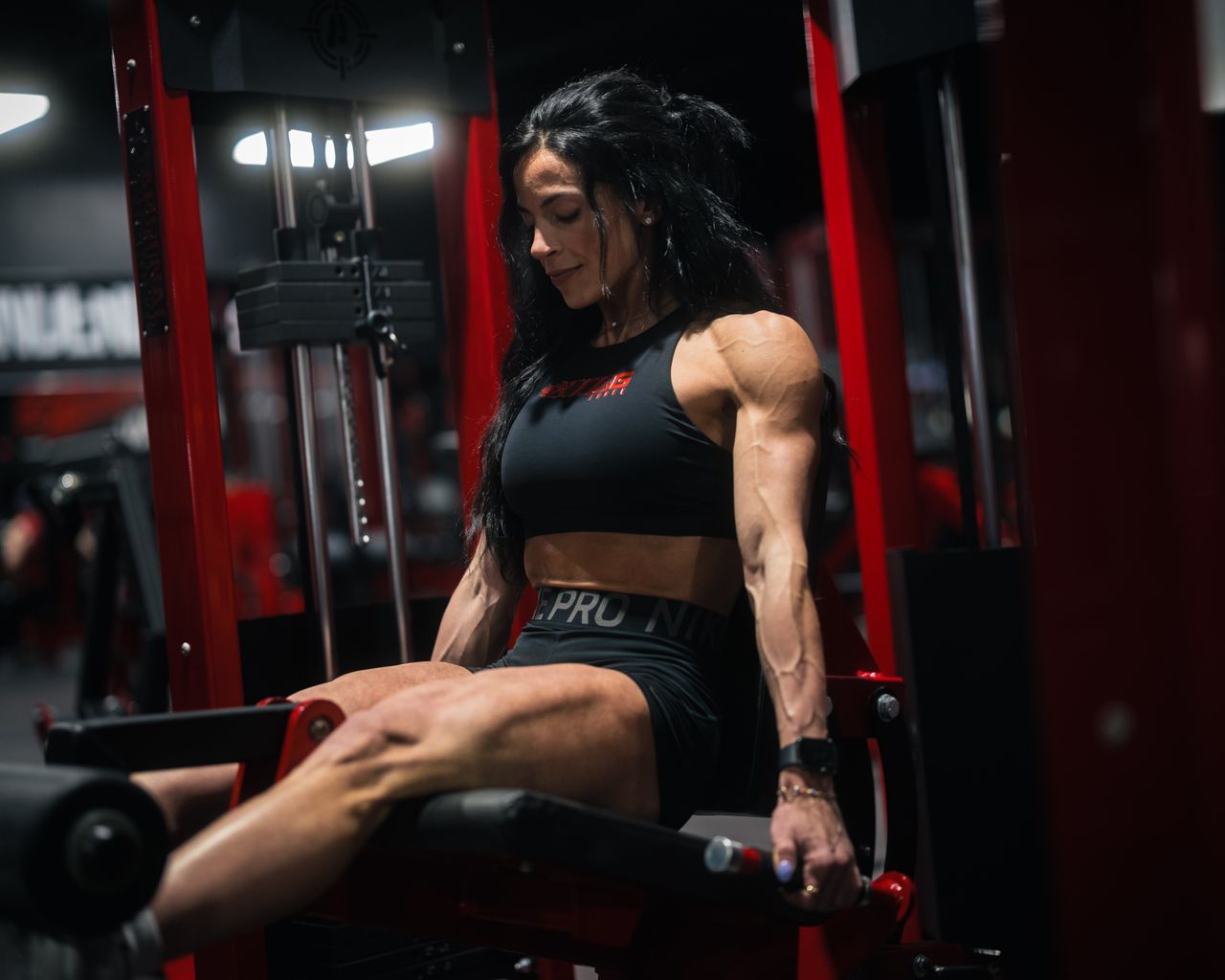
Table of contents
One muscle changed the comparison
In the 2026 study, 17 untrained young adults trained twice weekly, using one leg for knee extensions and the other for leg presses. MRI measurements found rectus femoris volume rose 13.2% after extensions versus 1.1% after presses; the press change wasn’t statistically significant.
The other three main quad heads grew comparably. Leg presses also grew the gluteus maximus and adductor magnus. The small, untrained sample and standardized machine positions limit generalization to experienced lifters and other setups.
The rectus femoris crosses two joints
According to Cleveland Clinic’s anatomy guide, the rectus femoris spans both the hip and knee. The vastus muscles have a different arrangement: their primary job is extending the knee. Straightening the knee is the main task of the quad group, but the rectus femoris also contributes to hip flexion.
That gives “training the quads” more than one anatomical target. For example, the vastus lateralis runs along the outside of the thigh, while the vastus medialis lies toward the inside. The muscle group’s shared name doesn’t erase those distinctions.
The press uses a foot platform
In Mayo Clinic’s written leg-press instructions, the movement involves several lower-body muscles, including the quads and glutes. You sit with your feet on a platform and push it away, then return under control. That is a different task from lifting the lower legs against a roller.
For the seated machine it demonstrates, Mayo places the feet about shoulder-width apart and keeps them firmly on the platform. Hold the handles, move smoothly and stop just short of fully straightening the knees. These are technique instructions for that exercise; they don’t make a platform press the same movement as a knee extension.
The extension moves the lower leg against a pad
Mayo’s knee-extension transcript begins seated, with the resistance pad over the ankles and the knees bent about 90 degrees. Slowly raise the lower legs until the knees are nearly straight, then lower them to the starting position. Keep the motion controlled rather than swinging through it.
Its instructions also describe an ankle-weight version: sit on a bench with the weight around the ankle, straighten the knee slowly and return. That preserves the basic knee-straightening action while changing how resistance is applied.
If equipment access is your reason for switching, our leg-extension alternatives guide surveys other setups, including step-ups and split squats. Decide which movement and training goal you want to retain before choosing a replacement.