
The elliptical’s handles sweep back and forth while your feet keep circling and the display counts down the minutes. With all four limbs moving, the upper-body effort can seem automatic. Yet holding the moving bars and actively driving them are different choices, even when the machine looks much the same.
Certified personal trainer Erica Tillinghast distinguishes active pushing and pulling from letting the arms follow along. The position of your hands is only the starting point.
Give the handles a deliberate role
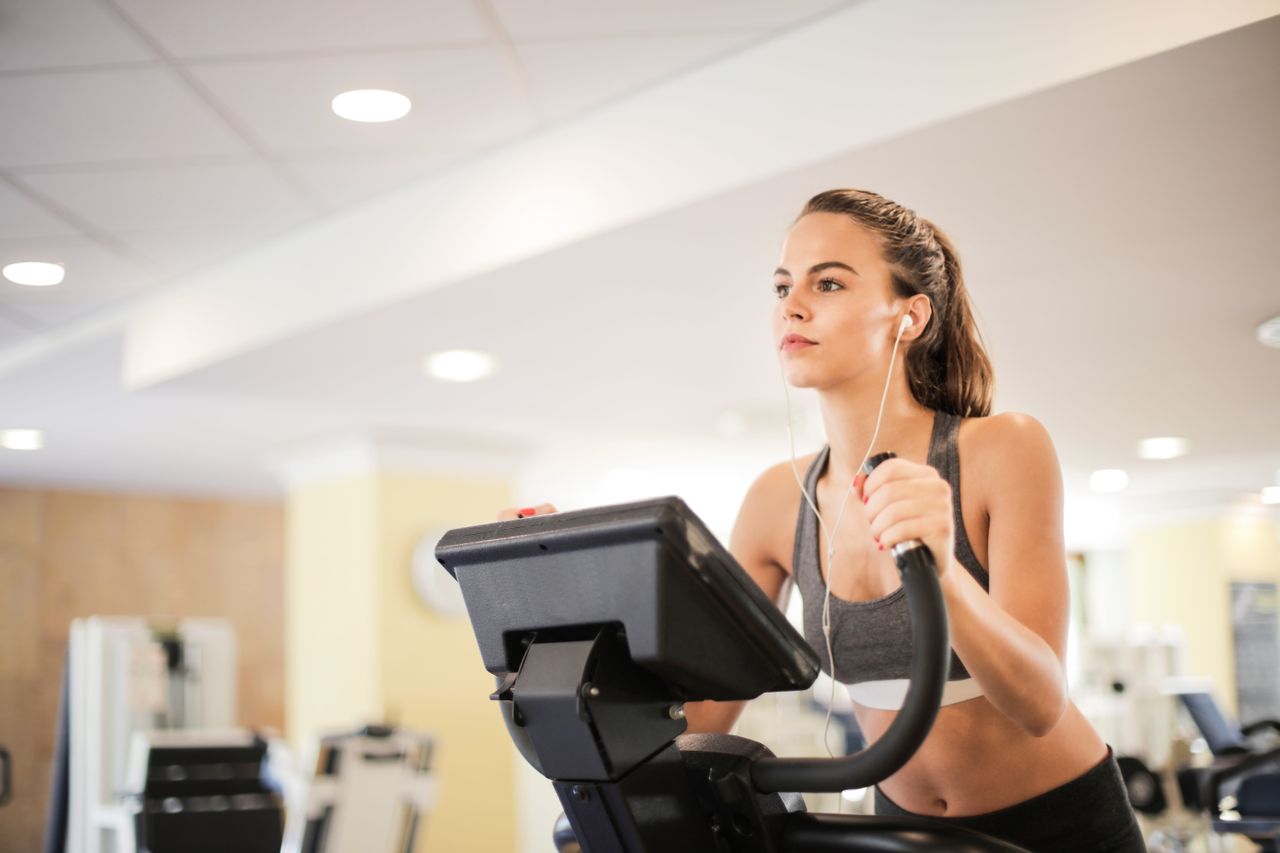
In her 24Life guidance, Tillinghast, identified as Precor’s global education manager, advises using the moving handles intentionally. If an upper-body component is your aim, actively push and pull against enough resistance to feel the arms working, rather than simply following the motion generated by the legs.
This is a choice about how to use the equipment. The handle movement alone is not a measurement of the arms’ share of the workload. You can decide whether you want that additional task before reaching for a higher setting on the console.
Our comparison of rowing machines and ellipticals introduces their different movement patterns. Once an elliptical is your choice, the next question is how comfortably you can coordinate its pedals and moving bars.
Learn the legs before adding the arms
At Hospital for Special Surgery, exercise physiologist Chelsea Long, MS, CSCS, addresses exactly that question. Her elliptical advice is to use the moving arms if you can coordinate them with the legs. If four moving limbs are difficult to manage, begin with the legs and use the center handles, when available, for balance and support.
That gives the fixed grips a purpose beyond being a less ambitious option. They let you practice the pedal rhythm while keeping the hand position steady. Adding the mobile bars is a coordination change you can make after that movement feels manageable.
For the initial setup, the American Council on Exercise’s equipment guidance says to hold the nonmoving handrails while stepping on, because pedals or rails may shift as your weight transfers. Follow the instructions for your particular machine. When using the rails for support, stay upright, keep a light grip and avoid hanging your weight over them.
ACE suggests the manual or Quick Start option while learning the basics, beginning with forward pedaling because it is easier to balance. If the layout is unfamiliar, ask a gym staff member to identify the stable rails and explain the controls before you start. That leaves you in charge of the pace while you learn the controls.
Long also recommends enough resistance to feel challenged while retaining control. If adding the arms makes your body sway from side to side or the motion becomes a scramble, return to the simpler setup before increasing the setting. On the next visit, check the pedal rhythm first, then decide whether active pushing and pulling fits that day’s session.