
You step on the scale after a sweaty workout and see a number 2 pounds below the one you recorded before it. That looks like an unusually productive hour. But the display weighs everything on the platform, including body water; it cannot tell you how much fat the workout used.
Those two readings can still be useful. Athletic trainers compare weight before and after exercise to help assess fluid losses. The useful question is what happened to your hydration during the session, rather than how much fat disappeared before you showered.
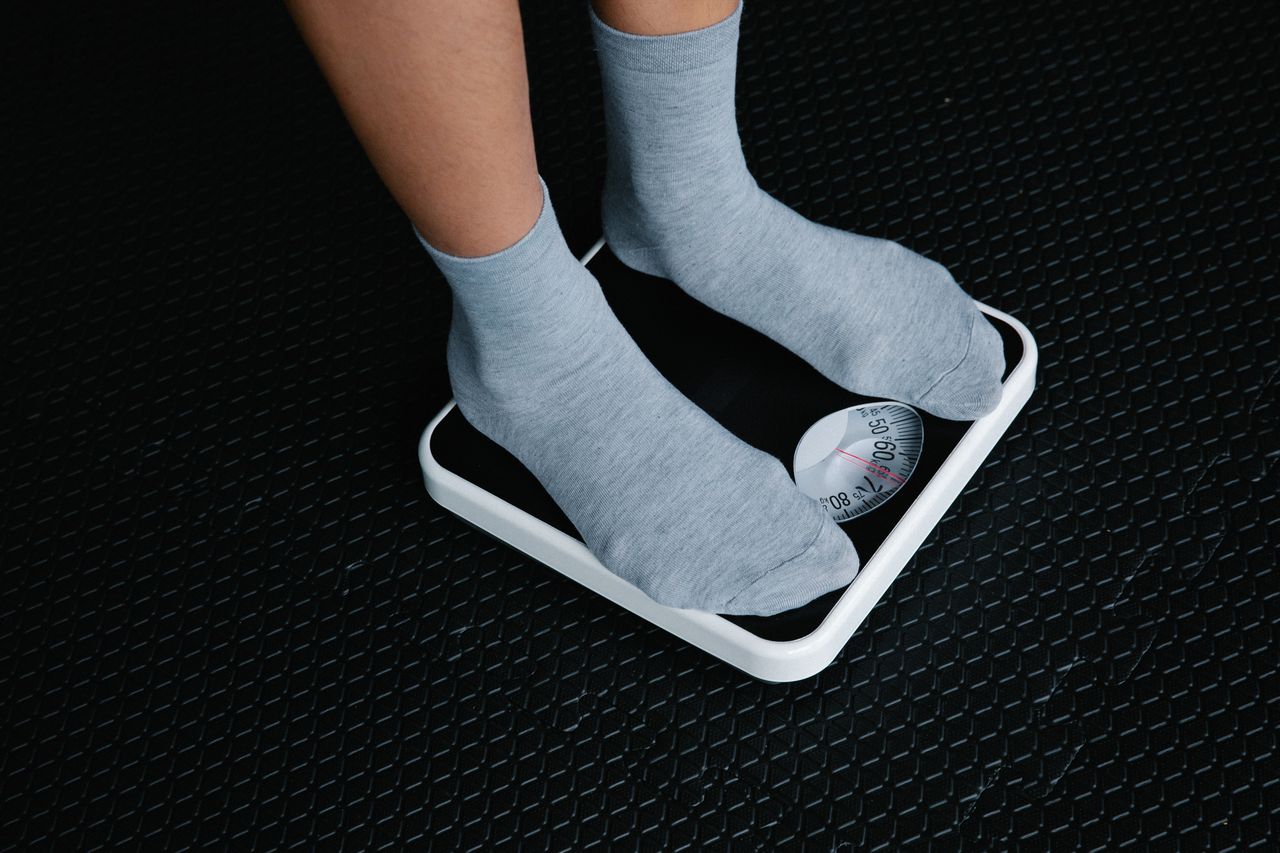
Table of contents
The missing weight can be water
The National Athletic Trainers’ Association’s fluid-replacement position statement describes sweating as the main way body water is lost during exercise. A short-term change on a reliable scale can help track that loss. It is a different measurement from a change in body fat.
That also changes how to interpret a rebound after eating and drinking. Restoring fluid adds weight back to the scale. Seeing the number rise again does not mean you undid the workout or instantly regained the same amount of fat.
Nor does a smaller drop prove that another session was less effective. Weather, exercise intensity and individual sweat rates all affect fluid loss. Comparing two workouts by their immediate weight change can therefore reward the sweatier conditions instead of telling you which session better served your training goal.
What you drank changes the calculation
The before-and-after difference alone does not capture all the sweat you lost if you drank during exercise. NATA’s sweat-loss calculation also accounts for fluid consumed and urine passed during the session.
Imagine two otherwise identical sessions in which you lose the same amount of sweat. In one, you drink from your bottle; in the other, you drink nothing. The first weigh-in can show a smaller net loss because some fluid has already been replaced. The scale difference is not the same thing as total sweat produced.
These comparisons need consistent conditions. Wet workout clothes, a different scale or a different setup introduce extra differences. A paired reading can inform hydration planning, but a single low number cannot diagnose dehydration or supply a body-fat result.
Give your regular weigh-in a different job
If you choose to track body weight over time, use comparable readings. NHS England’s weighing guidance recommends the same scale in the same location, a firm level floor, similar clothing and a consistent time, preferably morning. It suggests regular weekly to monthly intervals.
That routine answers a different question from a measurement immediately after sweating. You are reducing changes in the measuring conditions so the record is easier to compare, rather than searching for the lowest reading of the day.
Water can move the number upward, too. The International Society of Sports Nutrition’s creatine review describes short-term fluid retention during loading. Our guide to starting creatine without a loading phase explains why an early scale change needs context.
Keep the two jobs separate: paired exercise readings can help explain fluid balance, while a consistent longer-term record tracks body weight. Neither turns one sweaty session into a measurement of pounds of fat lost.