
You’ve slept badly, and the day ahead still demands concentration. A nap and a short workout might sound like opposite responses to the same foggy feeling. A laboratory experiment compared them after 30 hours awake. The cycling group later recognized more previously shown pictures than a seated control group.
But the benefit stopped short of an all-purpose reset. Napping improved the same memory score and reduced fatigue more than cycling.
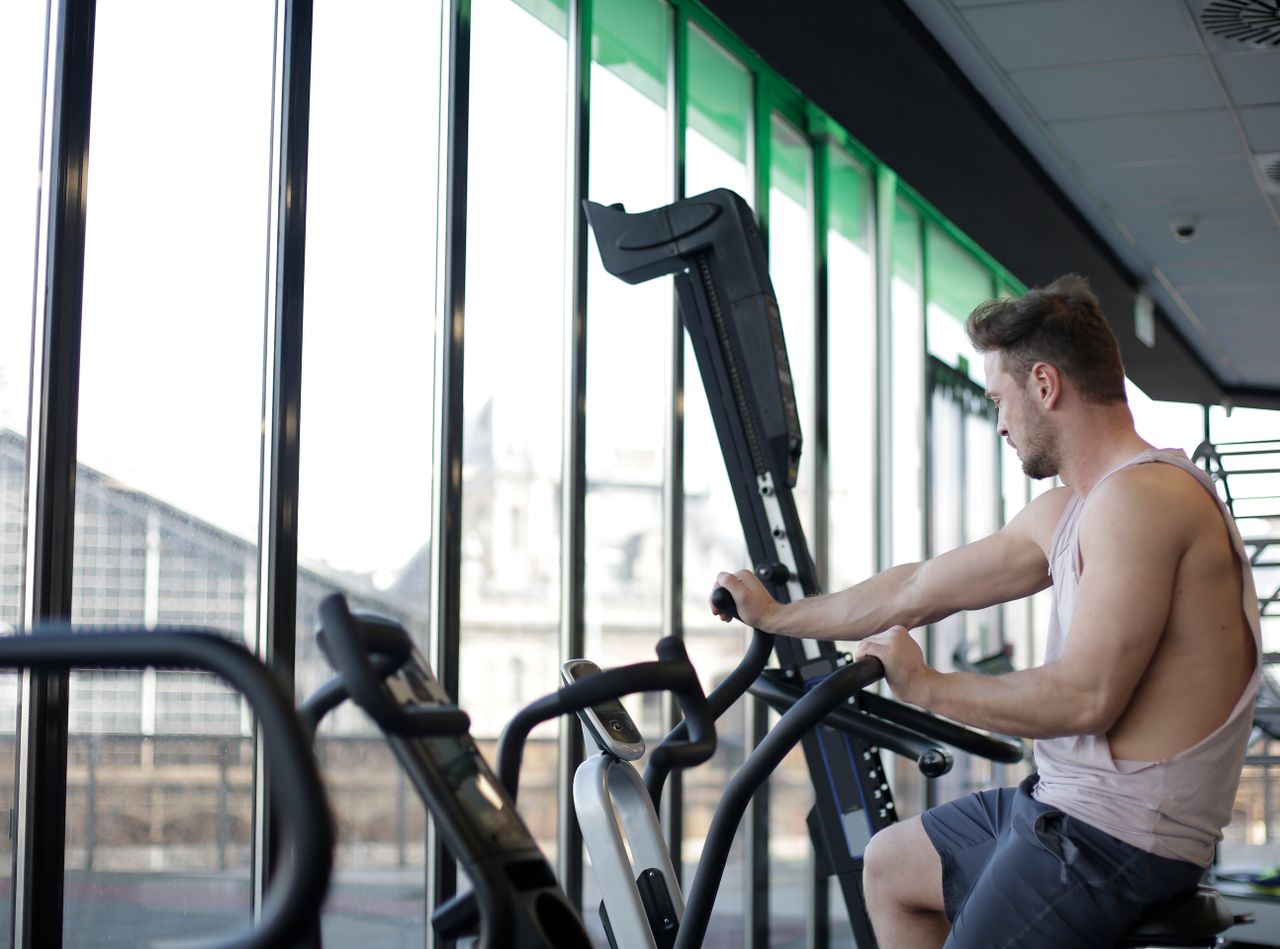
Table of contents
The test separated remembering from feeling rested
The PNAS study enrolled 54 healthy adults ages 18–35; 53 contributed memory results. After sleep deprivation, participants received 20 minutes of stationary cycling at 80% of measured maximum heart rate, a 90-minute nap opportunity, or 20 minutes sitting on a bike without pedaling. Cycling also included a warm-up and cool-down.
After a 30-minute gap, they viewed pictures. Three days later, recognition hit rates were 56% for cycling, 57% for napping and 46% for control. False alarms and a score combining hits and false alarms didn’t differ significantly.
There was no rested control group. These laboratory conditions also differ from ordinary short nights and real workplaces.
Why the researchers tested a workout
The question behind the study was practical. In McGill University’s account, senior author Marc Roig pointed to people whose responsibilities do not let them simply stop and sleep. First author Madhura Lotlikar highlighted the difficulty of finding a nap opportunity in the middle of a shift.
That motivation helps explain why the team investigated exercise. It doesn’t turn a laboratory result into a workplace policy. The university’s report also emphasizes that physical activity cannot replace sleep.
Sleep loss affects more than recognition. The National Heart, Lung, and Blood Institute describes problems with learning, focus, decision-making and reaction time, as well as more mistakes. It also warns about microsleep: brief, involuntary sleep episodes that can happen without you realizing it.
A better score on one picture test doesn’t establish that those other problems have resolved. Remembering something and being ready to drive or make an important decision are different questions.
Give a nap room to work
Napping has its own timing issue. The CDC’s National Institute for Occupational Safety and Health describes sleep inertia as temporary grogginess and reduced performance after waking. Thinking and reaction time can be slower, and sleep deprivation can prolong that period. Its training guidance for nurses advises allowing the grogginess to pass before critical tasks.
If you are fitting a nap around exercise, our guide to leaving wake-up time before a workout explains why the alarm and the session shouldn’t share a start time. Count waking, changing and getting ready as part of the plan.
Keep the larger sleep question in view, too. NHLBI notes that people can underestimate the effects of insufficient sleep even while believing they function well. Treat feeling more capable as different from having recovered the sleep you missed. A workout belongs in the day’s plan; it cannot supply the time you need to spend asleep.