
You have an afternoon workout planned, so you lie down for a nap and set the alarm for just before you need to leave. When it rings, you have technically had your rest. Yet feeling heavy and foggy on the couch is a reminder that finishing a nap and feeling ready to train are different moments.
That temporary grogginess is called sleep inertia. A nap can be useful, but the time between waking and exercise belongs in the plan, especially when a longer sleep leaves you slow to get going.
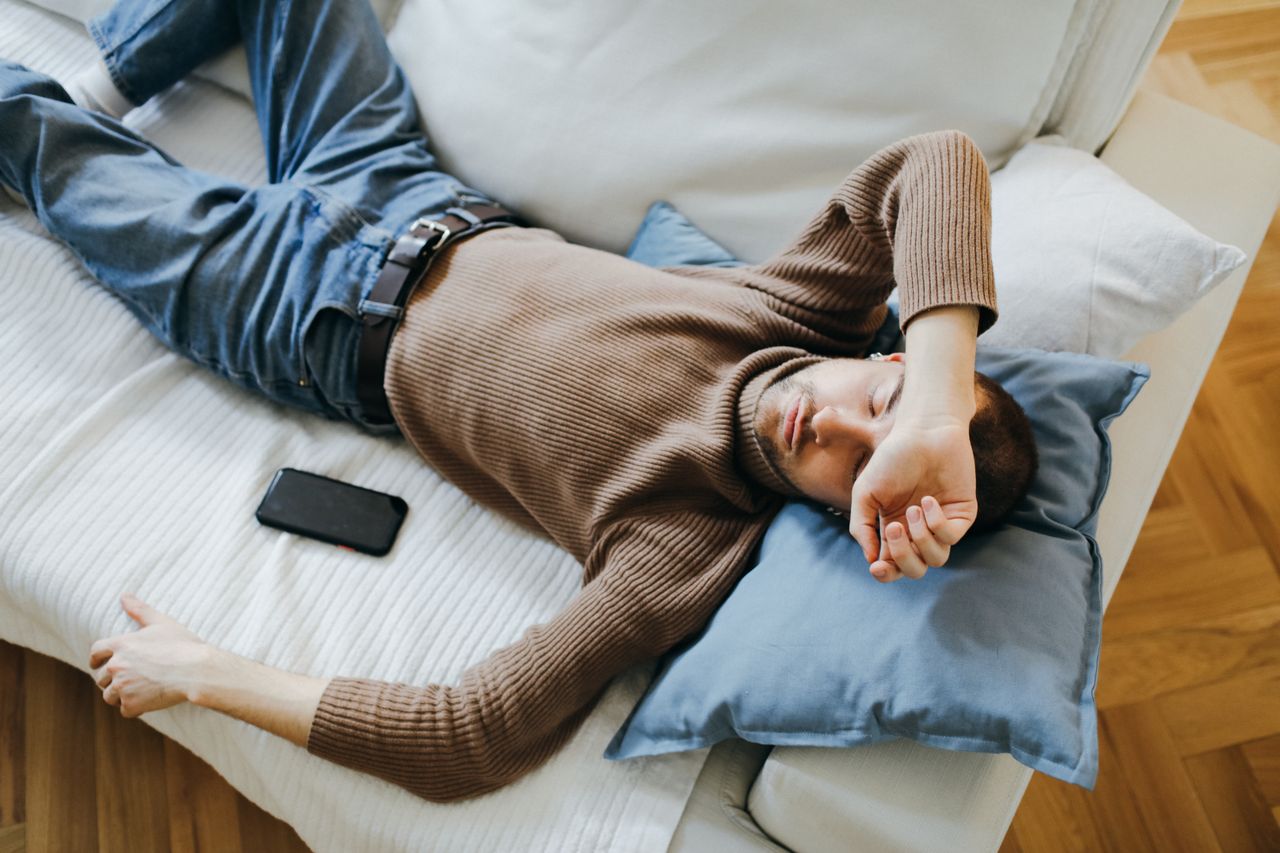
Table of contents
Grogginess has its own timeline
The CDC’s National Institute for Occupational Safety and Health describes sleep inertia as temporary disorientation and reduced performance after waking. Thinking and reaction time can slow. Its guidance, written for shift-working nurses, advises allowing that period to pass before critical tasks. NIOSH also notes that sleep deprivation can make the groggy period after waking last longer.
An alertness benefit later in the afternoon and a sluggish first few minutes can both follow the same nap. Judging it only when the alarm sounds mixes two questions: whether the rest helps and whether you have finished waking up.
The exercise studies left a gap, too
A 2023 review in the British Journal of Sports Medicine combined 22 randomized trials involving 291 physically active men and male athletes, ages 18–35. After normal nighttime sleep, naps generally improved physical and cognitive test results and reduced perceived fatigue compared with no nap. Benefits were generally clearer when testing began more than an hour after waking.
That hour was a comparison across studies, not a universal countdown established for every person. The tests and nap conditions varied considerably, and all the trials had either some risk-of-bias concerns or a high risk. The pattern supports leaving waking time; it does not prove that everyone needs exactly 60 minutes.
Leave room on both sides of the nap
The U.S. Olympic & Paralympic Committee’s sleep guidance suggests 20–30-minute naps to improve alertness while minimizing grogginess. For longer naps, it advises building in extra time to wake fully. It also favors early-afternoon timing because napping too late can interfere with nighttime sleep.
For example, a 4 p.m. workout and a 3:50 p.m. alarm leave only 10 minutes for waking, changing and getting started. That schedule has little room for lingering grogginess, however long the nap itself was. Working backward from the workout makes that missing time visible before you lie down.
The committee also recommends trying naps on training days before relying on them for competition. That gives you a chance to find out how you respond without making an important event your first experiment.
Keep the nap within a consistent sleep routine, including the bedtime you want to protect. If a nap pushes your workout later, check whether the new finish time also crowds your usual evening wind-down.