
You link three toes-to-bar reps, miss the fourth and hang through an extra swing before dropping off. By the time you get back on the bar, quick singles might have gotten you through more reps. To find out, time the whole set, including what happens after your feet miss.
Use the same target number of good reps for both attempts. Keep the clock running through any extra swings, breaks or trips back to the bar.
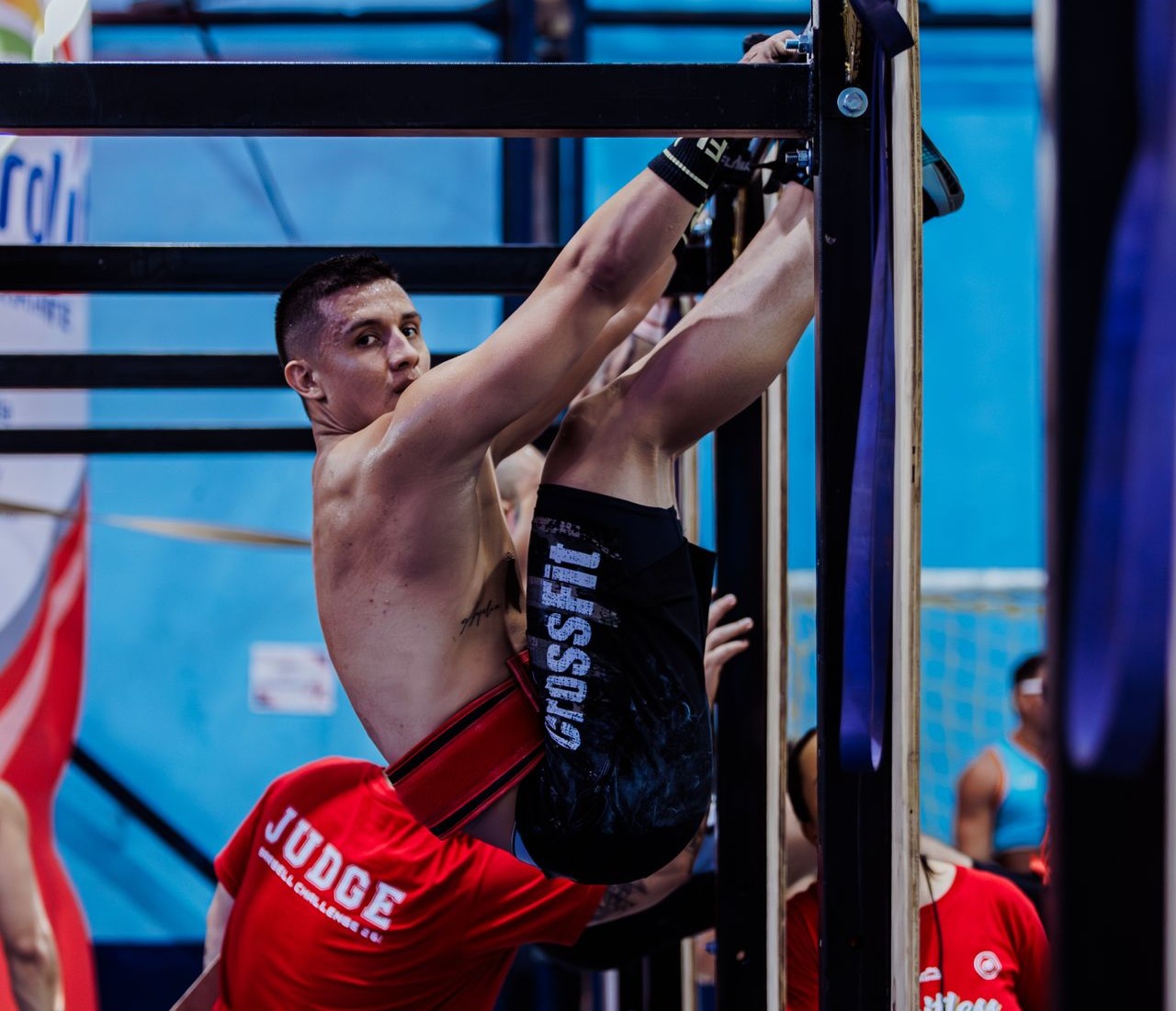
Table of contents
Decide what counts before you start
Linked reps mean staying on the bar and using the return swing to set up the next lift. With singles, you come down after each rep and set up again. A planned reset between singles takes time. So does an extra swing after a miss or a longer break before you can grab the bar again.
Pick one rep standard for both attempts. The 2023 CrossFit Open 23.1 scorecard, for example, describes a hang with extended arms, heels moving behind the bar, and both feet touching the bar at the same time between the hands. Have a partner call the good reps, or check the same details on video. In an event, use that event’s own scorecard.
Keep the clock running after the miss
Choose a small target you can already manage with either approach. Start the timer from the floor at the same spot and stop it at the last good rep. Keep the bar height, grip setup and target count the same. Give yourself enough recovery between attempts to start in comparable conditions, or try the other approach first on a different day.
Say you’re practicing five reps. Your linked attempt takes 24 seconds after one missed rep and a long reset. Five singles take 20 seconds, including the time spent on the floor. In that example, the singles finish four seconds sooner. If a clean linked set takes 15 seconds on another attempt, you have a different result. Write down the elapsed time, good reps and misses so you can tell what changed.
CrossFit’s affiliate lesson plan for 23.1 has coaches demonstrate quick singles and suggests them when athletes tire or start missing attempts. The lesson also calls for consistent sets when those are manageable. The timing check gives you a way to see which version you can repeat in practice.
Use the result to pick what to practice
Check what happened before the miss. In her CrossFit toes-to-bar guide, gymnastics coach Pamela Gagnon teaches an active return. Bring the feet down and back as the chest comes forward so the next swing has a starting position. If you keep hanging through an extra swing, practice that return at an easy pace.
If your grip or swing gets hard to control, come down and end the timed attempt there. Our guide to hanging knee and leg raises shows ways to practice a smaller lift before asking for repeated bar contact. When you try the timing comparison again, use the same movement and rep target for both approaches.