
You put on sunscreen before an outdoor workout, check the SPF and head out. Halfway through, you are sweating and reach for a towel. Those details belong in the sunscreen plan, because the reapplication directions can call for another layer well before the familiar two-hour interval has passed.
Water-resistant products carry a 40- or 80-minute designation for swimming or sweating. That number answers a different question from SPF. It belongs alongside the exercise timer when you plan a longer outdoor session.
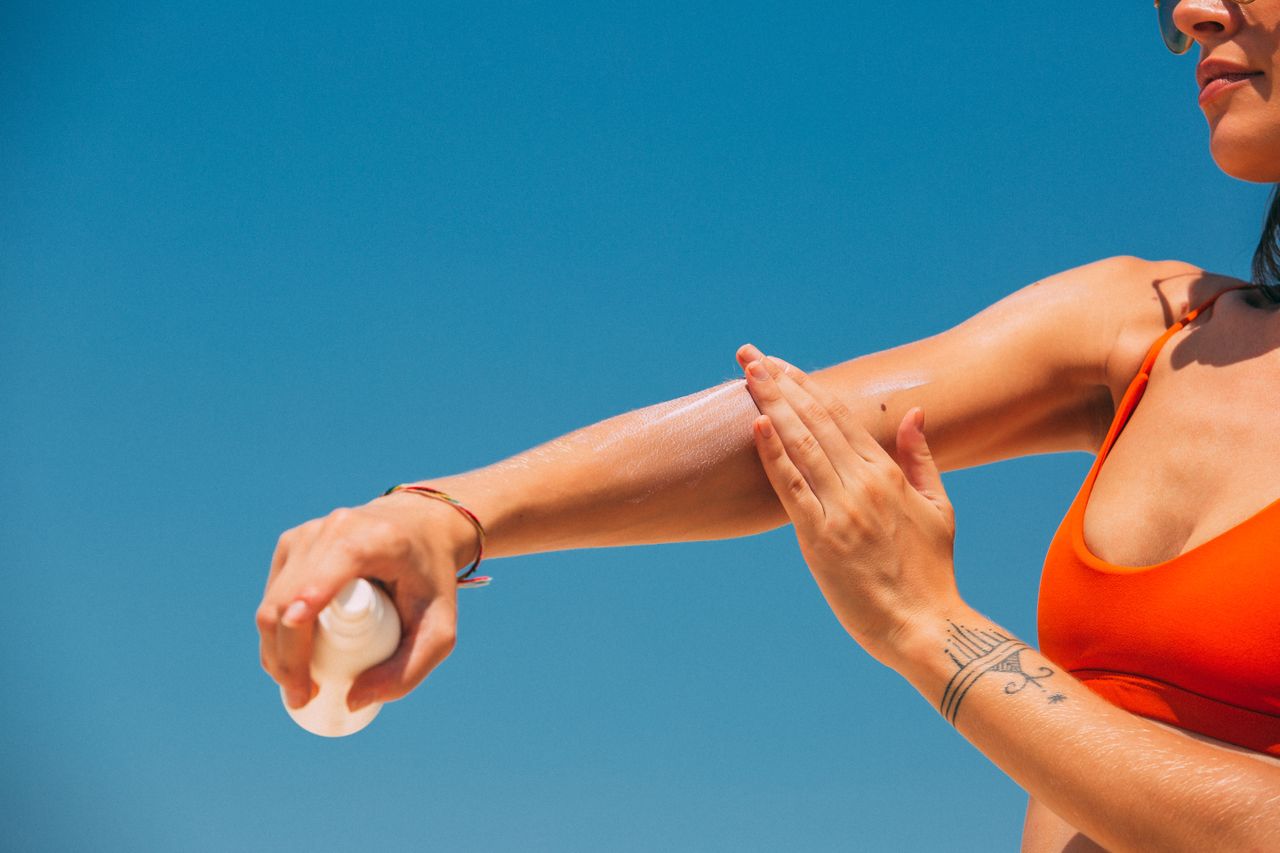
Table of contents
Read the reapplication directions together
The FDA explains that water resistance must be tested. The label specifies 40 or 80 minutes, and the directions call for reapplication after that period of swimming or sweating, immediately after towel drying, and at least every two hours.
The water-resistance test uses timed periods of activity in water, with no toweling of the test sites. It establishes a tested label claim, rather than a guarantee that any amount of sweat or rubbing leaves sunscreen untouched.
For example, finishing one circuit and drying off with a towel does not mean you should wait for the two-hour mark. The towel-drying instruction is a separate reason to reapply. Plan a practical place to do that before starting the next block.
SPF has a different job
SPF describes the level of sunburn protection. It does not tell you how many minutes you can stay outside or multiply a personal burn time into an outing allowance. A higher SPF does not cancel the product’s reapplication directions.
The American Academy of Dermatology recommends broad-spectrum sunscreen with SPF 30 or higher and water resistance. Broad spectrum refers to protection against both UVA and UVB rays; the water-resistance minutes concern how the sunscreen performs under wet conditions.
Dermatologists also recommend shade and sun-protective clothing because sunscreen cannot filter out every UV ray. Think about what a hat, sleeves and a shaded break can cover alongside the product you apply to exposed skin.
Put the bottle where the break will happen
Apply sunscreen before going outdoors, allowing about 15 minutes as directed. Account for the exposed areas around your workout clothes, including ears, the back of the neck and hands. Getting ready includes skin coverage as well as shoes and water.
For a supply check, the AAD says most adults need about an ounce to cover exposed skin, with more depending on body size. That is roughly a shot-glass amount. Pack enough for the initial application and the reapplications your outing requires.
Putting application alongside your usual workout cue can make it part of getting ready; our guide to fitting exercise into daily life discusses building those routine cues.
Then consider access during the session. A bottle left at home cannot help with the planned reapplication halfway around a long route. A loop that returns to your bag, or carrying the sunscreen, gives you an actual way to follow the directions.