
An orange is an easy food to picture when planning a vitamin C-rich lunch. But the red bell pepper waiting to be sliced can make a surprising contribution, too. Before treating it as just a crunchy topping, look at the portions in a federal nutrition table. The comparison puts an ordinary vegetable in a different light.
The National Institutes of Health lists 95 milligrams of vitamin C in half a cup of raw sweet red pepper. A medium orange supplies 70 milligrams in the same table. The pepper entry comes out ahead.
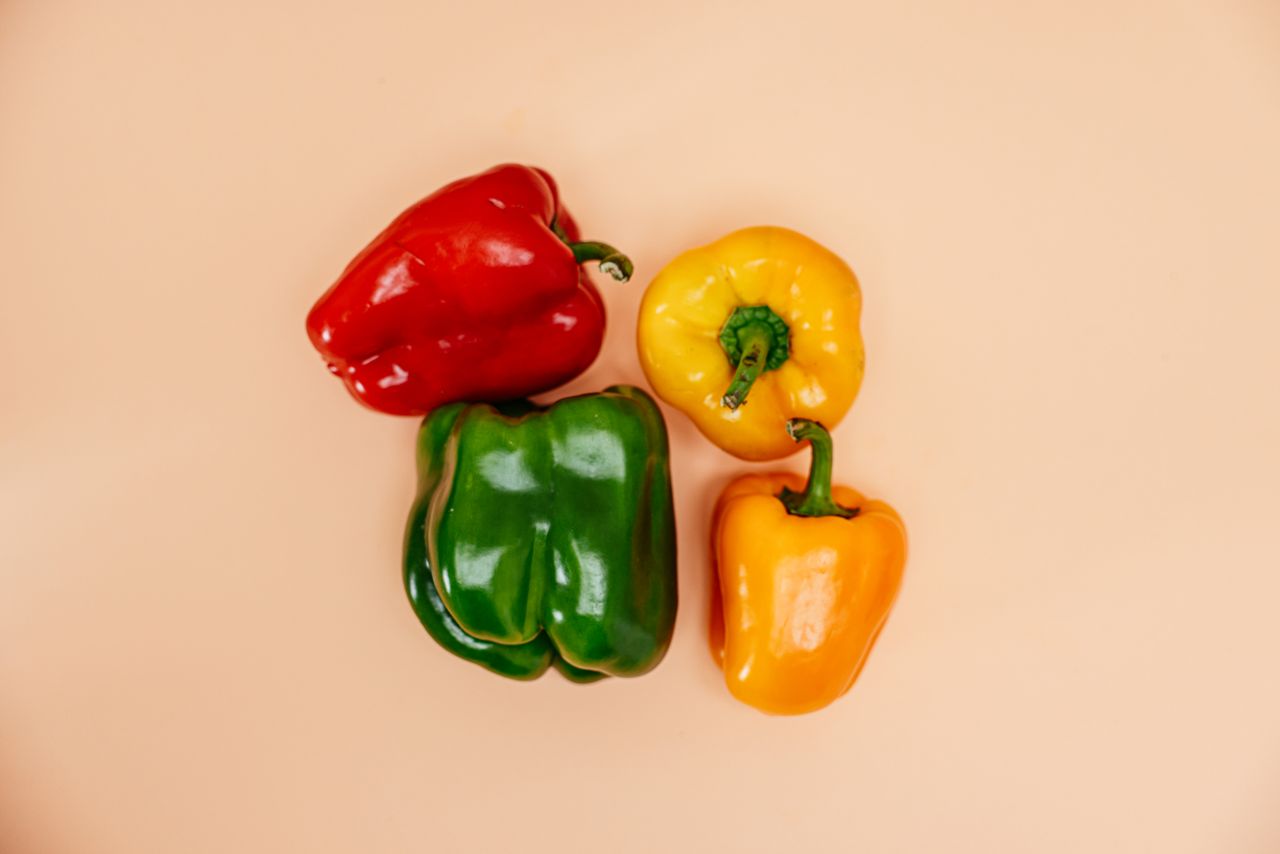
Table of contents
The portion and color matter
Those figures come from the NIH Office of Dietary Supplements food table. They compare two specified servings, rather than equal weights. The pepper amount is half a cup, not an entire pepper; the orange entry is a medium whole fruit.
Keep the color in the comparison, too. Half a cup of raw green pepper is listed at 60 milligrams. “Bell pepper” alone leaves out a detail that changes the number. Nor should the raw red pepper figure automatically follow a cooked portion onto your plate.
Cooking changes the question
Harvard’s Nutrition Source explains that vitamin C is vulnerable to heat and can pass into cooking water. High temperatures and prolonged cooking can break it down; vitamin carried into liquid may be lost if that liquid is discarded.
That makes raw strips a straightforward way to use the food in the form listed. If you prefer peppers cooked, Harvard suggests quick heating or using little water to help preserve vitamin C. A brief stir-fry is one option. There is no single loss percentage to subtract from every roasted, boiled or sautéed pepper.
Put the crunch to work in a meal
A bowl of beans or lentils gives diced raw pepper another useful role. UW–Madison’s University Health Services identifies these foods as sources of non-heme iron and explains that eating vitamin C-rich foods with an iron-containing meal helps absorption.
Try adding the pepper after cooking the beans, alongside rice, herbs and a dressing you enjoy. If you are using canned beans, our guide to draining and rinsing them explains how that preparation step affects sodium.
Prep enough to use, then refrigerate
UC San Diego’s pepper guide recommends choosing firm, smooth peppers that feel heavy for their size and waiting to wash them until you are ready to eat. For strips, remove the top and inner core, then slice the flesh. Leave longer strips for dipping or chop smaller pieces for a salad topping.
The guide suggests keeping whole peppers refrigerated in a breathable bag for up to five days, and cut peppers in an airtight refrigerated container for up to three days. If a whole pepper gives you more than you need for lunch, put the remaining strips away for tomorrow’s salad or a hummus snack.