
A bowl of pasta can look like an obvious dinner before a run: familiar, filling, and full of carbohydrates. Then the garlic bread, creamy sauce, and oversized serving arrive with it. The useful question is no longer whether pasta contains workout fuel. It is whether that particular meal fits the run you are about to start.
Plain spaghetti appears on the Academy of Nutrition and Dietetics’ list of pre-run food options. Its guidance favors carbohydrate-rich choices that are low in fat and fiber and easy to tolerate. That puts the focus on the whole dish and the time available to digest it.
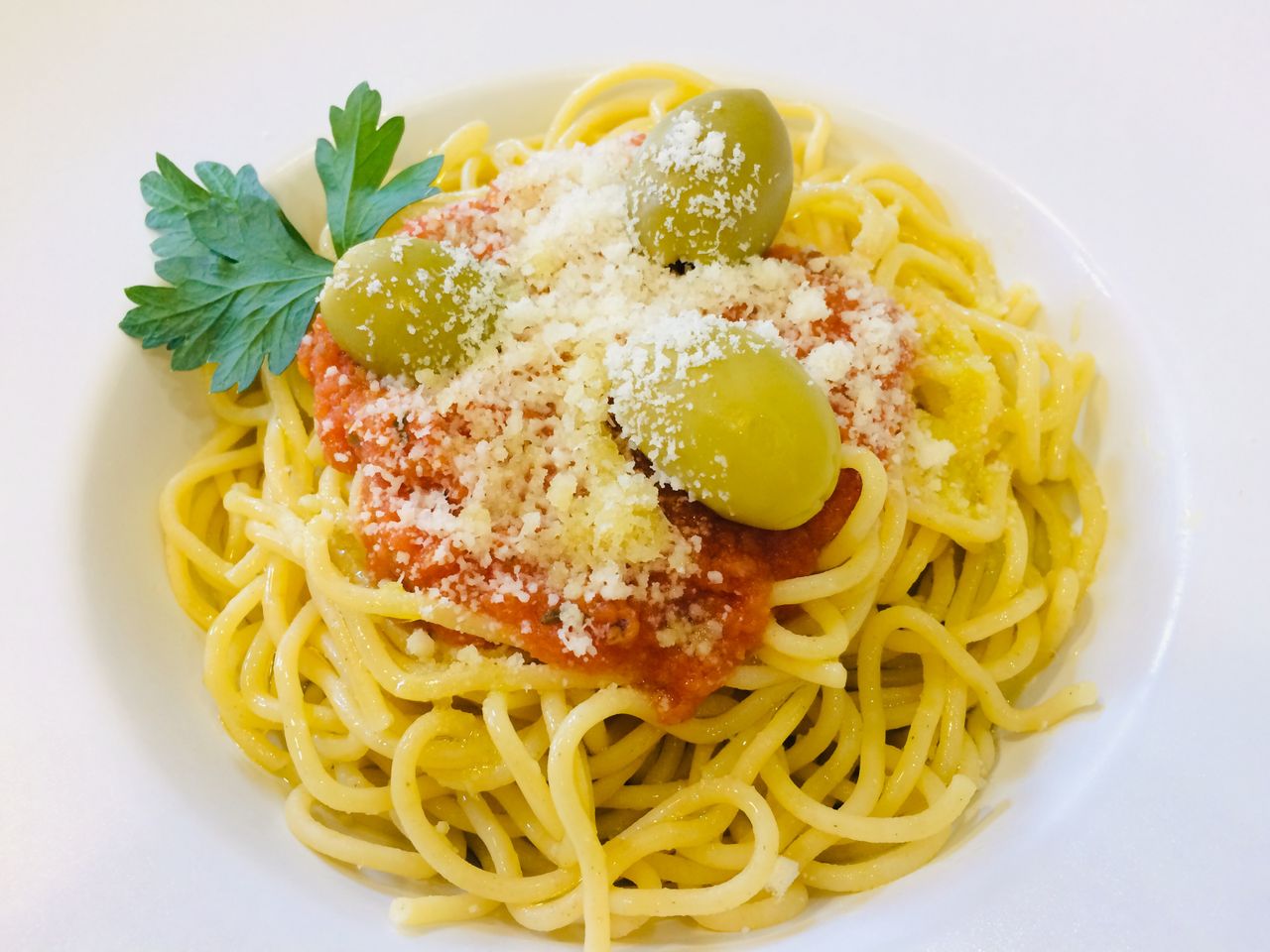
Table of contents
The food name does not describe the whole meal
Two bowls can contain the same pasta and make very different pre-run meals. One might be a modest portion with a light topping; another might include a rich sauce, cheese, sausage, and a large side salad. Looking only at the carbohydrate in the noodles misses those differences.
The US Anti-Doping Agency’s nutrition guidance explains that foods high in fat, fiber, or protein can cause digestive discomfort when eaten close to exercise, particularly within the preceding one to two hours. The amounts people tolerate vary, as does the intensity of the session they are preparing for.
That does not make these nutrients undesirable. Protein and fiber still belong in an athlete’s day. It means that the plate you enjoy at a relaxed dinner may need a different size or timing when you plan to start running soon afterward.
A full dinner needs a different window from a snack
Mayo Clinic offers a useful general distinction: allow roughly three to four hours after a large meal, compared with about one to three hours for smaller meals or snacks. These are starting points, not exact countdowns that guarantee an empty stomach or a comfortable run.
The Academy’s running guide discusses a lighter pre-run snack around 45 minutes to an hour beforehand. That advice is about a snack, not permission to eat a restaurant-sized pasta dinner shortly before heading out. Portion size is part of the timing decision.
If the run is close, a familiar smaller carbohydrate option may be more practical than squeezing in a full meal. If dinner is several hours earlier, there is more room for an ordinary mixed meal that you already know sits comfortably.
Choose for this run, then keep the rest of the day balanced
The same planning question comes up when deciding what to eat before a CrossFit workout: how much time separates the food from the session? The examples will differ, but the food has to fit the training rather than carry a permanent label of good or bad.
For your next pre-run pasta meal, change one relevant detail at a time. A smaller portion, a lighter topping, or more time before starting makes it easier to identify what you tolerate. Try those choices during a normal training day, rather than making an unfamiliar meal part of race morning.
Keep vegetables, higher-fiber foods, and protein in the wider eating plan. You are adjusting the meal closest to a run, not removing those foods from the day. The pasta can supply carbohydrate; the rest of the plate and the clock help determine whether it is a comfortable choice right now.