
You catch a split jerk with the bar out in front and think your front foot should have gone farther. Before you change the catch, rewind the video. The bar may have started moving forward while it was still on your shoulders, as your knees bent for the dip.
Film a light rep from the side. Compare where the bar starts, where it sits at the bottom of the dip, and where it goes as you begin driving up.
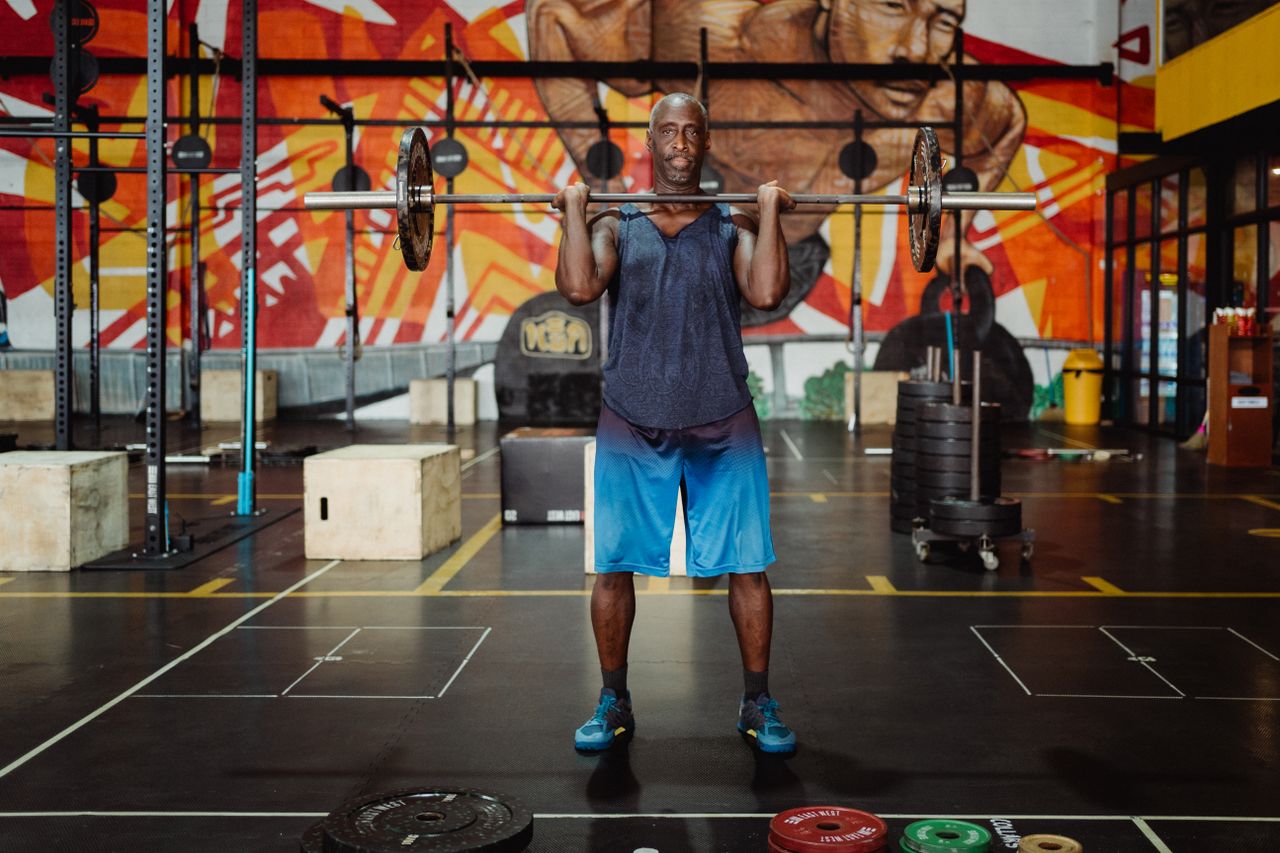
Table of contents
Find the frame where the bar first moves forward
Set your phone off the platform, clear of the bar and other lifters. Place it directly to your side and keep it still. Frame the bar, shoulders, hips, and shoes. If you can see the center of the near bar sleeve, follow that same point through the clip. A vertical line on the paused video through the starting point gives you a reference.
Find the last frame before you bend your knees, then the lowest point before you reverse direction. Play the frames between those points. If the sleeve moves forward before the bar changes direction, the shift began during the dip. If it stays close to your reference and then moves forward as you rise, look at the drive. Our clean and jerk technique guide shows how those two phases lead into the overhead catch.
Compare the bar with the way your torso moves
Weightlifting coach Greg Everett explains the difference between a slight forward torso angle and a forward shift. A lifter can start with a little inclination and keep that angle as the bar travels down. Check whether your chest tips farther forward as you bend your knees and whether the bar goes with it.
Look at the rack position, too. In his coaching guide to the forward dip, Everett recommends bracing the torso, keeping the bar securely supported on the shoulders, and maintaining whole-foot contact as you descend. If the bar rolls forward on your shoulders while your chest stays at about the same angle, start by checking how securely the bar is resting there.
Rehearse the dip before adding the drive
Take an empty or light technique bar from a rack and start in your usual jerk stance. Bend your knees into a shallow dip, pause briefly, and stand back up at an easy speed with the bar still on your shoulders. Use the pause to check whether you can keep your feet planted and your torso angle steady. Watch the video before repeating it with more speed.
Once you can repeat the dip, try a light jerk drive drill if you’re comfortable controlling the bar back to your shoulders. Dip and extend your legs, then guide the bar up off your shoulders as you finish the drive. Keep your feet in the same stance and bend your knees to absorb the bar’s return. Check whether the bar goes up or out as it leaves your shoulders.
Use the same camera angle when you put the full jerk back together. If the dip and first part of the drive stay close to the line and the bar goes forward later, show a coach those later frames. Ask what changes between the moment the bar leaves your shoulders and the moment you receive it.