
A bowl of rice and beans can look less convincing than chicken when your goal is to build muscle. The protein debate often gets reduced to that comparison, or to which powder goes in a shaker. But a University of Illinois trial asked a different question: what happens when researchers compare complete eating patterns over several days?
In the 2025 trial, vegan and omnivorous diets produced no statistically significant difference in daily muscle protein synthesis during nine days of lifting and controlled eating. That is an encouraging result for plant-based eaters, with one essential distinction: the researchers measured protein production in muscle, rather than long-term gains in muscle size.
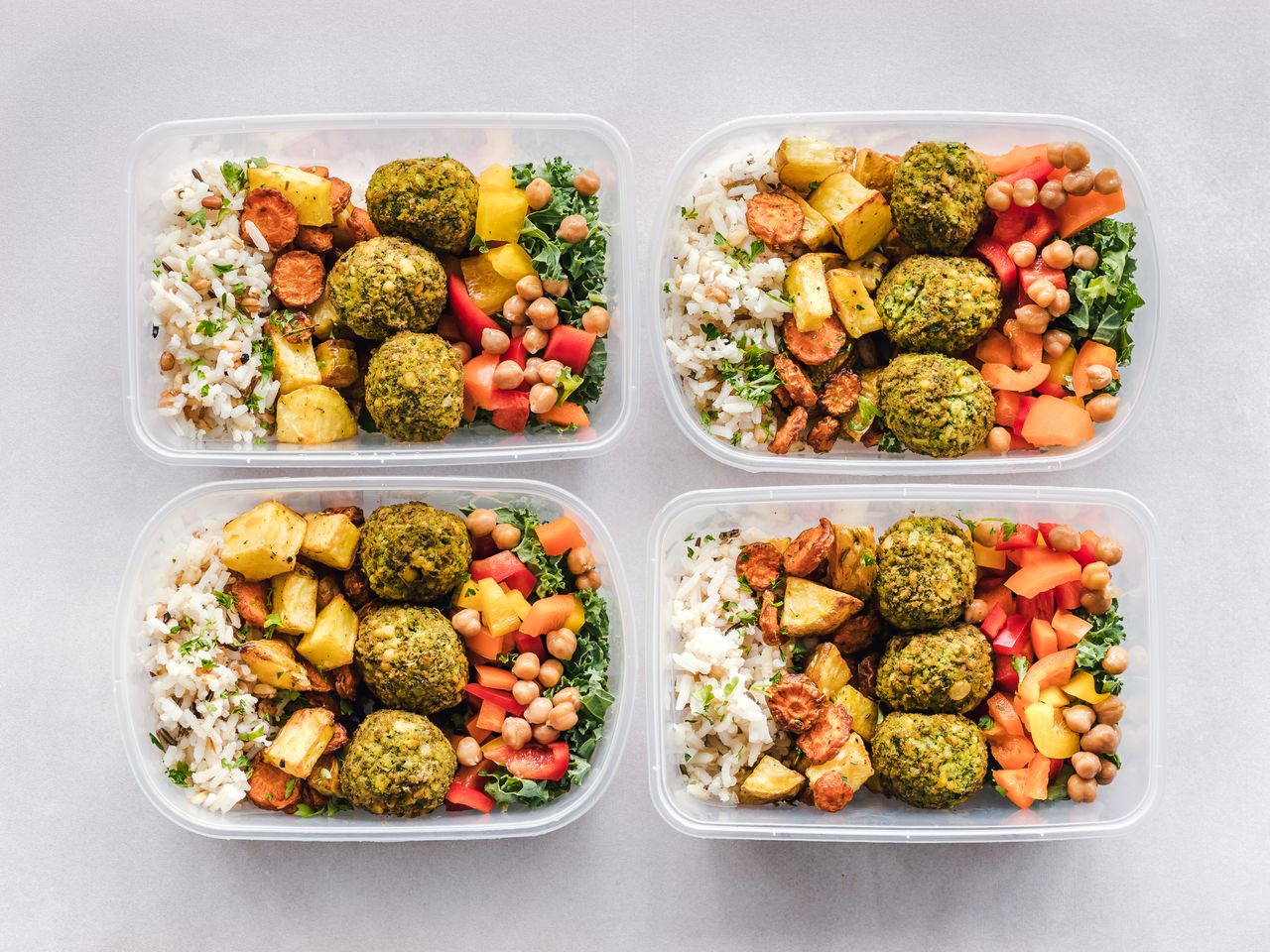
Table of contents
The test went beyond one post-workout shake
The study involved 40 healthy, physically active young adults, including 28 men and 12 women. Participants completed three whole-body resistance workouts. Their weight-maintenance diets provided about 1.1 to 1.2 grams of protein per kilogram of body weight each day, from either vegan or omnivorous foods.
The researchers supplied the meals. As the university’s account explains, the vegan menu used a variety of foods to balance amino acids, the building blocks of protein. This was a planned eating pattern with enough food, rather than a test of what happens when someone removes meat from an otherwise unchanged plate.
That design matters. A scoop of whey and a serving of one plant protein can differ in amino acid composition and digestion. Those differences do not automatically tell you how an entire varied diet will perform across repeated meals and training sessions.
A muscle-building signal is only part of the picture
Muscle protein synthesis describes the process of making new muscle proteins. It helps researchers understand remodeling after training, but a short experiment cannot establish exactly how much muscle two people will gain over months. Nor does a result without a statistically significant difference prove that every vegan meal matches every animal-based meal.
There is longer-term evidence, too, under different conditions. A 2023 study followed 22 young adults through 10 weeks of frequent resistance training and high-protein eating. The non-animal diet relied heavily on mycoprotein, a fungal protein used in meat alternatives. Both groups gained muscle, with no significant difference in thigh muscle growth.
That study supports the feasibility of a carefully constructed non-animal diet. Its high protein intake, specific foods, small sample, and five-day weekly training schedule also explain why it cannot guarantee the same outcome for every plant-based menu.
Build the protein into the meal
The practical move is to check what replaces the meat. A dinner built around tofu, beans, lentils, or another substantial protein source presents a different nutritional picture from a plate that simply loses its chicken. Include different protein foods across the day rather than treating the word vegan as a protein target.
The nine-day trial’s intake is not a newly established ceiling for lifters. The International Society of Sports Nutrition’s protein position stand gives a broader daily range of 1.4 to 2.0 grams per kilogram for most exercising people seeking to support training adaptations. Individual needs depend on the person and training context.
Fruit can round out those meals, but it usually works as an addition to the main protein source. Our guide to protein in fruit puts those contributions in context. Start by identifying the protein anchor on your plate; the label on the overall diet tells you much less.